INTRODUCTION
Horse riding is an exciting and rewarding activity, but to enjoy it fully and safely, you need the right equipment. Whether you’re just getting started or you’re considering buying your first set of gear, knowing what essentials you need will ensure you and your horse are comfortable and secure. In this guide, we will break down the must-have horse riding equipment for beginners, covering everything from riding attire to tack for your horse. Let’s saddle up and get started!
Why the Right Horse Riding Equipment Matters
Equipping yourself with the correct gear ensures that you stay safe and enjoy your time riding. Poorly fitted equipment can lead to discomfort, injuries, and may negatively impact your riding experience. Understanding the purpose of each piece of equipment is crucial to maintaining safety for both rider and horse.
Essential Horse Riding Equipment for Beginners
Let’s explore the core equipment you’ll need to get started with horse riding, covering rider gear, horse tack, and additional accessories.
Rider Attire: What Should a Beginner Rider Wear?
The rider’s attire is the foundation of a safe and enjoyable riding experience. Your clothing should offer protection, flexibility, and comfort. Here’s what you need:
1
Riding Helmet
A riding helmet is the most important piece of safety equipment for any rider, especially beginners. Riding helmets are specially designed to protect your head in case of falls or accidents. They have a sturdy outer shell and an inner lining that absorbs impact.
When choosing a helmet:
— Ensure it’s ASTM/SEI certified for safety.
— It should fit snugly but not too tight.
— Look for ventilation to keep your head cool during long rides.
2
Riding Boots
Riding boots are designed to protect your feet and provide stability in the stirrups. The two most common types of boots are paddock boots and tall boots.
— Paddock boots: These are ankle-high boots often paired with half chaps for beginners.
— Tall boots: These extend up to the knee and are commonly used for competitions.
Both types should have a low heel (about 1 inch) to prevent your foot from slipping through the stirrup.
3
Riding Breeches or Jodhpurs
Riding breeches (for adults) or jodhpurs (for children) are specially designed pants that offer comfort and freedom of movement while riding. They are made of stretchy, breathable materials and feature reinforced areas around the knees and seat to prevent chafing and improve grip.
Key considerations:
— Choose breathable fabrics for long rides.
— Opt for a snug fit without being too tight.
— Look for silicone or leather knee patches for added grip.
4
Riding Gloves
Riding gloves provide a better grip on the reins, protect your hands from blisters, and ensure you maintain control even in wet or cold weather.
Consider gloves made from synthetic materials or leather, as they offer durability and a strong grip. Choose gloves that are lightweight and flexible, with a snug fit.
5
Safety Vest (Optional)
A riding safety vest offers additional protection to your torso in case of a fall, especially during activities like jumping or cross-country riding. While not always mandatory, safety vests are a good investment for beginner riders who want an extra layer of protection.
Horse Tack: Essential Gear for Your Horse
The next step in equipping yourself for horse riding is understanding the tack needed for your horse. Tack is the equipment placed on the horse to enable riding, and having well-fitted tack is crucial for both the rider’s control and the horse’s comfort.
1
Saddle
The saddle is arguably the most important piece of tack and must be carefully chosen based on your riding discipline. There are two main types of saddles for beginners:
— English saddle: Lightweight, with a shallow seat, often used for jumping, dressage, or trail riding.
— Western saddle: Larger and heavier, with a deep seat, designed for long rides, roping, and ranch work.
Choosing the right saddle involves:
— Ensuring a proper fit for both horse and rider.
— Looking for a saddle with adequate padding and stirrups that match your leg length.
— Working with a professional saddle fitter if possible.
2
Saddle Pad
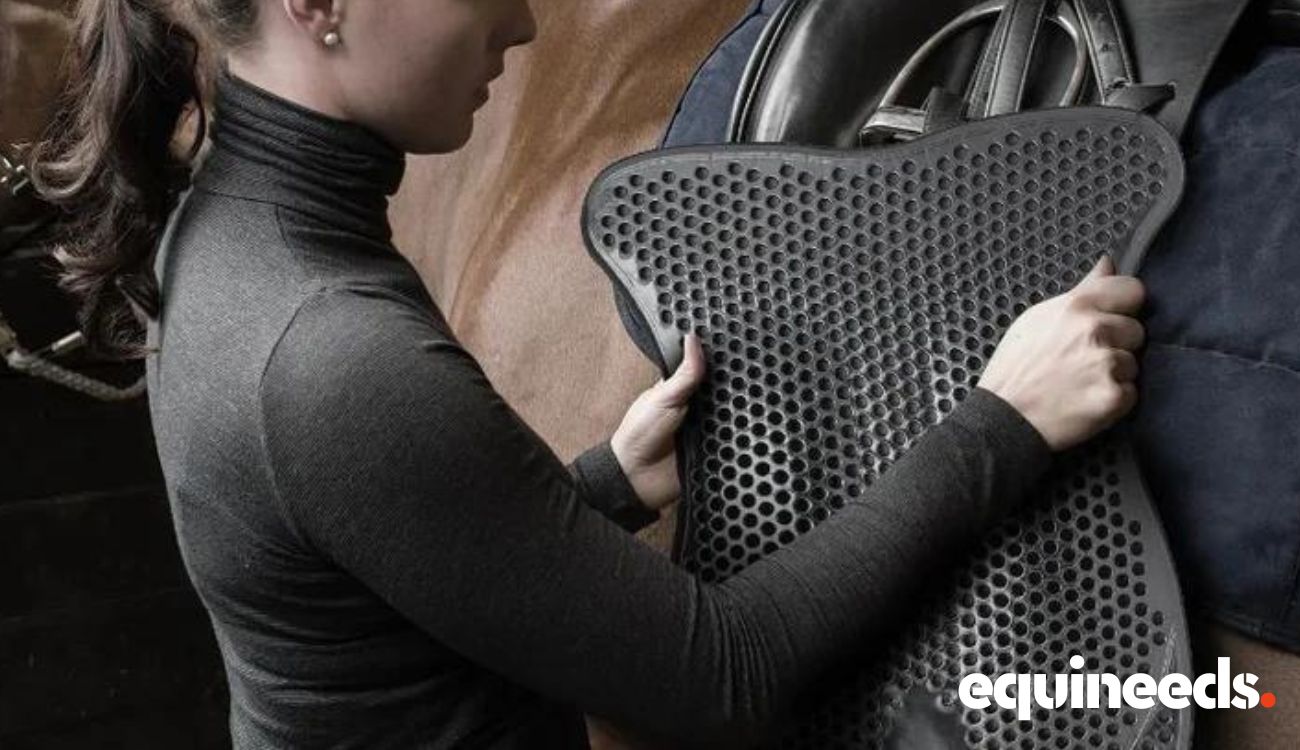
A saddle pad sits between the saddle and your horse’s back to provide cushioning, protect the horse’s skin, and absorb sweat. The right saddle pad will keep your horse comfortable during rides and help prevent saddle sores.
— Choose a pad that fits your saddle size.
— Look for breathable materials like cotton or wool to reduce sweat build-up.
3
Bridle and Bit
The bridle is used to control the horse and direct its movements, while the bit is placed in the horse’s mouth to give the rider steering and stopping control. Beginners often use simpler bridles and bits to avoid confusing the horse.
— For beginners, a snaffle bit is a good choice because it’s gentle on the horse’s mouth.
— Make sure the bridle fits snugly but comfortably, allowing your horse to move freely.
4
Girth
The girth holds the saddle securely in place around the horse’s belly. It’s important to ensure the girth is tight enough that the saddle doesn’t move but not so tight that it causes discomfort to the horse.
Look for girths made from elastic materials or those with padding for added comfort.
Additional Accessories for Riding and Horse Care
While the above essentials are enough to get you started, several additional accessories can improve your riding experience and ensure proper horse care.
1
Stirrups and Stirrup Leathers
Stirrups and stirrup leathers help support the rider’s feet while riding. Stirrups should be the correct size to fit your foot comfortably, with a small gap on each side. Make sure the stirrup leathers are adjustable and strong enough to handle weight without stretching.
2
Half Chaps
Half chaps are worn with paddock boots and help protect the rider’s legs from rubbing against the saddle. They are especially useful for beginners who are still developing their riding skills and balance.
3
Whip or Crop
A riding crop or whip is used as an aid to communicate with your horse, giving subtle signals for direction or speed. These should always be used gently and only when necessary.
4
Lead Rope and Halter
A lead rope and halter are essential for handling your horse on the ground. These are used for leading, tying, or grooming your horse before and after riding. Look for durable materials like nylon or leather.
Horse Care Equipment: Keeping Your Horse Healthy and Happy
Beyond riding gear, you’ll need certain tools for maintaining your horse’s health and wellbeing.
1
Grooming Kit
A grooming kit is essential for keeping your horse’s coat clean and healthy. Basic items include:
— Body brush: To remove dirt and loose hair.
— Curry comb: To loosen mud and stimulate skin oils.
— Hoof pick: To clean your horse’s hooves and check for debris.
2
Fly Mask and Fly Spray
If you’re riding in warmer months or areas with a lot of insects, a fly mask and fly spray will keep your horse comfortable by protecting its eyes and body from bothersome insects.
3
First Aid Kit
A basic first aid kit for your horse is essential in case of minor injuries or accidents. Stock it with bandages, antiseptic ointment, and a thermometer.
Tips for Maintaining Horse Riding Equipment
Taking care of your horse riding equipment ensures that it lasts longer and stays in good condition. Here are a few maintenance tips:
- — Clean your saddle and bridle regularly with leather cleaner.
- — Wash your saddle pads after every few rides to prevent sweat build-up.
- — Store your helmet and boots in a dry, cool place to avoid damage from moisture.
- — Periodically check the condition of your stirrups, girth, and reins for wear and tear.
CONCLUSION
Horse riding is an incredibly fulfilling activity, but to get the most out of it, having the right gear is crucial. As a beginner, equipping yourself with a high-quality riding helmet, comfortable boots, well-fitted saddle, and a secure bridle can make a world of difference in your riding experience.
By investing in the correct horse riding equipment from the start and maintaining it properly, you’ll enjoy a safer, more comfortable ride while ensuring your horse’s health and wellbeing.