
INTRODUCTION
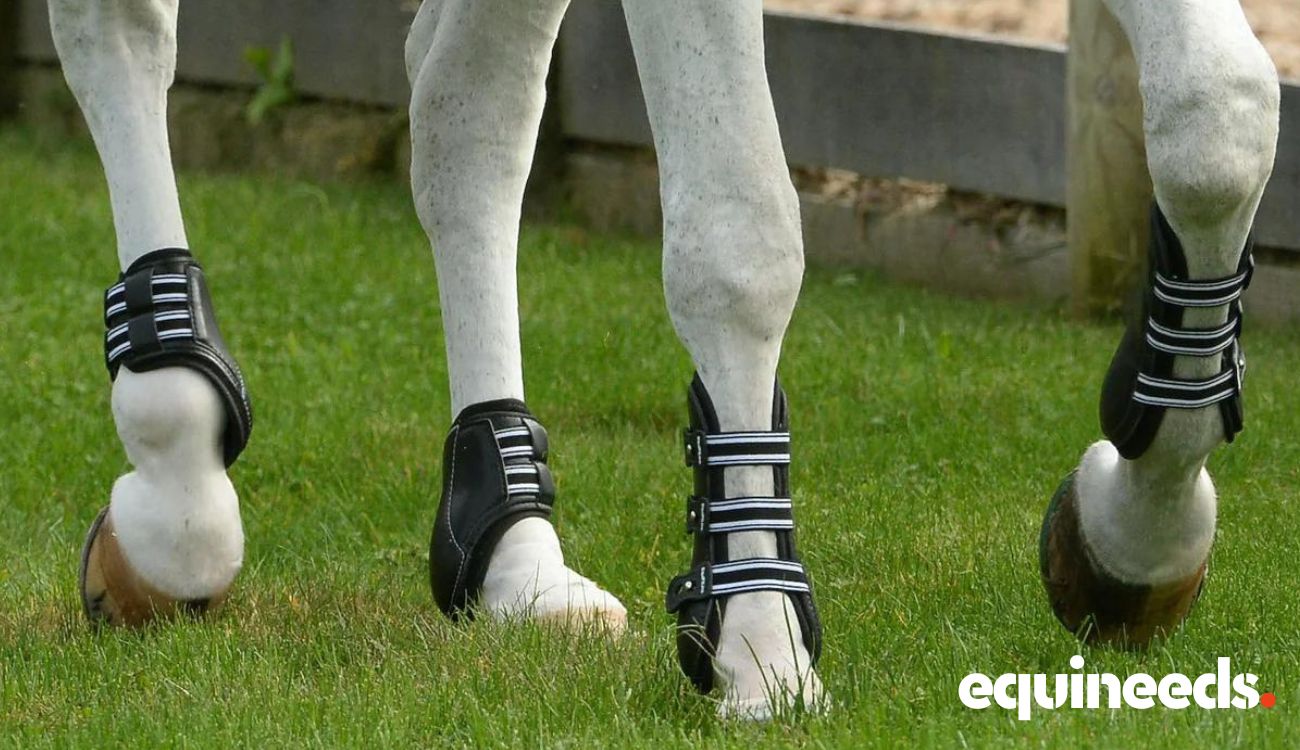
Horse boots are essential equipment in modern riding, providing support, protection, and comfort for your horse’s legs. Whether you’re a competitive rider, a leisure rider, or someone who works with horses daily, understanding the different types of boots and their uses is crucial to ensuring your horse’s health and performance. In this guide, we will explore the various types of horse boots, when and why they are used, and how to choose the best ones for your horse.
What Are Horse Boots?
Horse boots are designed to protect a horse’s legs from injuries caused by impact, overreaching, or strenuous activities. The legs and hooves are delicate, especially for competitive or high-intensity work, and boots provide a buffer to reduce the risk of injuries such as bruising, tendon strain, or cuts.
Why Do Horses Need Boots?
Boots are primarily used for protection and support. Whether you’re training, jumping, or participating in cross-country events, your horse’s legs are vulnerable to injuries. The right boots can prevent the following issues:
- Tendon Injuries: Horses with a fast-paced or high-impact workload may strain or injure tendons, especially in their front legs.
- Impact Injuries: During riding, horses may hit their own legs or be struck by obstacles such as poles or jumps.
- Overreaching Injuries: In cases where a horse’s hind hooves strike the front hooves, boots help protect the delicate areas of the horse’s front legs.
TYPES OF HORSE BOOTS
There are several types of horse boots available, each designed for a specific purpose. Below, we break down the most common types and their uses:
1
Splint Boots
Splint boots protect the inside of a horse’s legs from potential injuries, like knocking into each other during training or jumping. They are typically made from synthetic materials or leather, with Velcro straps for easy fitting.
When to Use: Splint boots are ideal for horses that engage in activities where their legs are at risk of brushing against one another. They are popular in both casual riding and competitive disciplines like eventing.
2
Bell Boots
Bell boots, also known as overreach boots, protect the horse’s front hooves and heels. They are bell-shaped and are worn on the front legs, with a primary focus on preventing overreaching injuries.
When to Use: Bell boots are useful for horses that are prone to overreaching. These boots are especially common in cross-country riding, show jumping, and fast-paced work like racing.
3
Tendon Boots
Tendon boots are designed to shield the horse’s tendons, especially in the front legs, where they are most vulnerable. These boots provide protection from injuries during fast-paced or high-impact activities.
When to Use: Tendon boots are essential in competitive jumping, racing, and cross-country where fast movements or jumping increase the risk of tendon injuries.
4
Fetlock Boots
Fetlock boots are specifically designed to protect the horse’s fetlock area and are commonly used on the hind legs. They often pair with tendon boots for comprehensive leg protection.
When to Use: Use fetlock boots for horses that engage in fast movements or activities like show jumping or dressage. They help cushion the hind legs, which are just as prone to injury as the front legs.
5
Travel Boots
Travel boots are padded, full-coverage boots used during transport. They cover the horse’s legs from the knees or hocks down to the hooves, protecting them from bumps, scrapes, or injuries that can occur during trailer rides.
When to Use: Always use travel boots when transporting your horse. They help reduce stress and minimize the risk of injury during transit.
6
Cross Country Boots
Cross-country boots are designed to provide maximum protection during intense activities such as eventing or trail riding. They are durable, breathable, and cover a large portion of the horse’s legs, offering protection against obstacles and rough terrain.
When to Use: Use these boots during competitive cross-country events, long trail rides, or any activity that involves unpredictable terrain or obstacles.
7
Therapeutic Boots
Therapeutic boots are designed for horses recovering from injury or experiencing leg-related issues such as swelling, laminitis, or arthritis. These boots are often used to apply cold or heat therapy, reduce swelling, or provide support.
When to Use: Use therapeutic boots during recovery phases, post-injury, or when your horse has chronic leg issues that require additional support or care.
How to Choose the Right Horse Boots
Selecting the right boots for your horse involves considering several factors, such as the activity, your horse’s conformation, and the specific areas of protection needed. Below are key considerations to help guide your choice:
1
Activity Type
The type of activity your horse participates in will largely dictate the type of boot needed.
- Jumping: Opt for tendon and fetlock boots to protect both front and hind legs.
- Flatwork or Dressage: Splint boots provide sufficient protection.
- Cross-Country: Use cross-country boots for maximum leg coverage and durability.
- Transporting: Travel boots are a must during transportation.
2
Horse’s Conformation
Some horses are more prone to certain injuries due to their build. If your horse has a narrower build, they may be more likely to knock their legs together, increasing the need for splint boots or other protective gear.
3
Material and Durability
Horse boots come in various materials, including synthetic fabrics, leather, and rubber. The best material depends on your riding needs and climate.
- Synthetic Boots: Lightweight and easy to clean, synthetic boots are great for everyday use.
- Leather Boots: Durable and stylish, but require more maintenance and are heavier.
- Rubber Boots: Ideal for wet or muddy conditions, as they are water-resistant.
4
Boot Fit and Sizing
A well-fitted boot is crucial for providing protection without causing discomfort. Here’s how to ensure a proper fit:
- Measure your horse’s legs: Use a flexible tape measure to determine the size of your horse’s cannon bones, fetlocks, and hooves.
- Check for tightness: Boots should be snug but not too tight, ensuring circulation isn’t cut off.
- Avoid slippage: Ensure that the boots stay in place during activity. If the boot slips or rotates, it can cause discomfort or even injury.
Common Problems With Horse Boots and How to Solve Them
Horse boots can sometimes cause issues if they are not fitted correctly or used for the wrong purpose. Here are a few common problems and their solutions:
- Chafing or Sores: This can occur when boots are too tight or made from abrasive materials. Consider switching to softer materials, or ensure you’re applying the boots properly.
- Boot Slipping: A common issue with loose or oversized boots. Ensure the boots fit snugly and have secure closures.
- Heat Build-Up: Horses can overheat with boots that lack breathability. Opt for boots with ventilation, especially in hot climates.
How to Properly Care for Horse Boots
To ensure your horse boots last and continue providing adequate protection, proper care is essential. Here’s how to maintain them:
- Regular Cleaning: After each use, wipe down boots to remove dirt and sweat. Use a mild detergent for deeper cleans, especially after exposure to mud or water.
- Proper Storage: Store boots in a cool, dry place to prevent material degradation.
- Check for Wear and Tear: Regularly inspect boots for signs of wear, such as frayed straps, cracks, or compromised padding. Replace boots when necessary to maintain protection.
How to Introduce Boots to a Horse?
Some horses may not be used to wearing boots, and introducing them can take time. Follow these steps to acclimate your horse:
1
Start Slowly
Introduce the boots during light work or training sessions, ensuring they are comfortable with the sensation.
2
Monitor Behavior
Watch for signs of discomfort or resistance, such as kicking or rubbing. If they persist, check for improper fit.
3
Gradual Increase in Usage
Once your horse becomes accustomed to the boots, you can increase the duration and intensity of their use.
CONCLUSION: Finding the Perfect Horse Boots for Every Rider
Horse boots are a valuable tool for ensuring your horse’s leg protection, support, and overall well-being. Whether you’re a competitive rider or enjoy leisure riding, understanding the types of boots and their specific uses will help you provide the best care for your horse. By selecting the right boots, you’ll be able to enhance your horse’s performance, prevent injuries, and improve comfort.
Looking for high-quality horse boots? Visit our shop for a wide selection of splint boots, bell boots, tendon boots, and more. Ensure your horse is protected and performing at its best with the right gear!