INTRODUCTION
As an equestrian, you know that comfort and protection for both you and your horse are top priorities. One of the most debated topics in the equestrian community is whether to use a gel pad or no gel pad under your saddle. Both options have their pros and cons, and the right choice depends on your horse’s needs, your riding style, and your personal preferences. In this comprehensive guide, we’ll dive into the differences between gel pads and riding without gel pads, exploring the benefits, drawbacks, and key considerations to help you choose the best option for your horse.
What is a Gel Pad for Horses?
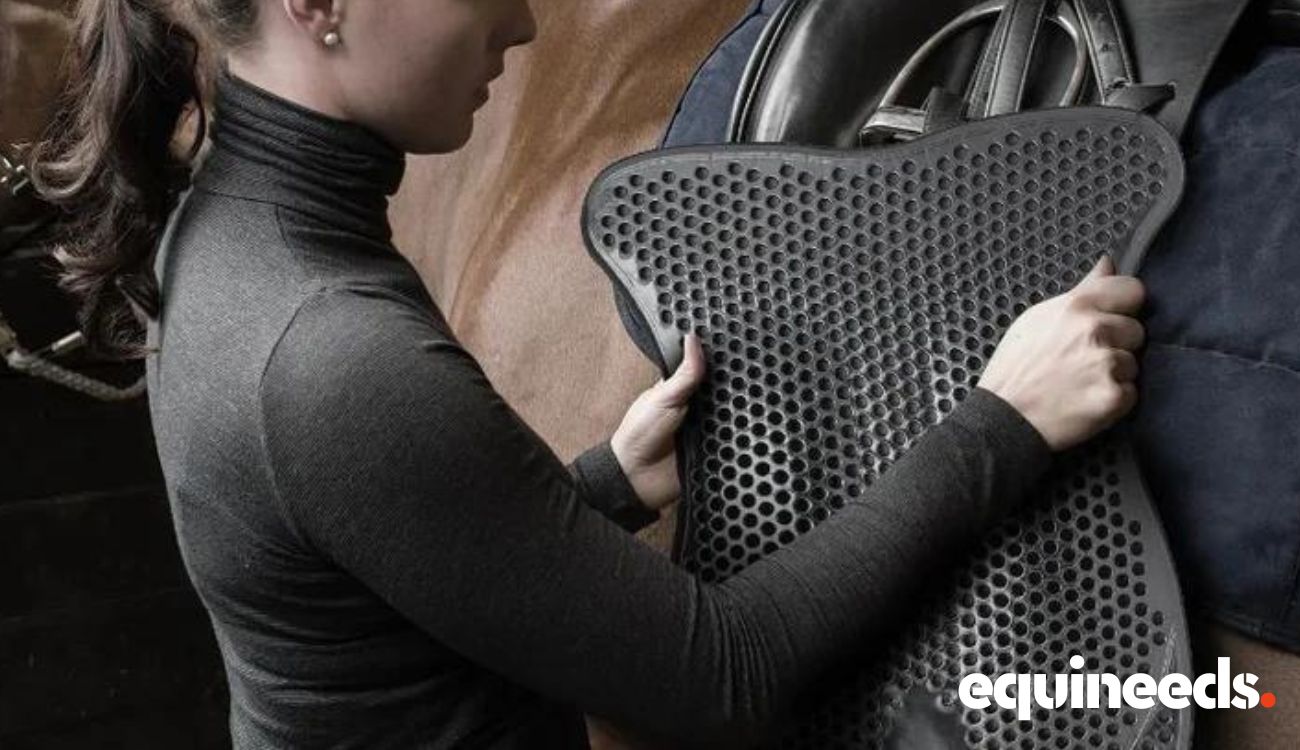
A gel pad is a specialized pad made from shock-absorbing gel material that fits between the saddle and the horse’s back. Its primary purpose is to cushion the impact of the rider’s weight, protect the horse’s back from pressure points, and ensure a more comfortable ride. Gel pads come in various shapes, sizes, and designs, with some offering extra features like ventilation, anti-slip properties, and ergonomic contouring.
The Importance of Saddle Fit and Back Protection
Before diving into the debate between gel pads and no gel pads, it’s essential to understand why saddle fit and back protection matter so much for your horse. A well-fitted saddle ensures that the weight of the rider is evenly distributed across the horse’s back, preventing pressure points that can lead to pain, discomfort, and long-term injuries. However, even with a well-fitted saddle, some horses may still experience discomfort or need extra support due to their physical condition or the intensity of their activities.
This is where gel pads or other types of saddle pads come into play—they provide an additional layer of comfort and protection, minimizing the impact on the horse’s back.
Benefits of Using a Gel Pad
Following are the benefits of using a gel pads for horses:
1
Shock Absorption
One of the primary reasons equestrians opt for a gel pad is its ability to absorb shock during riding. When the horse moves—whether at a walk, trot, or gallop—the rider’s weight shifts, creating impact. A gel pad helps absorb this impact, reducing the strain on the horse’s muscles and spine. This can be particularly helpful for horses that engage in high-impact activities like jumping or cross-country.
2
Even Weight Distribution
Gel pads can help distribute the rider’s weight more evenly across the horse’s back. For horses with sensitive backs or slight conformation issues, a gel pad can prevent uneven pressure points, which can cause pain, discomfort, or even long-term muscle soreness.
3
Pressure Relief
Horses that have high withers, uneven musculature, or existing back issues may benefit from the additional padding and support that a gel pad provides. Gel pads create a buffer that helps relieve pressure from the saddle, ensuring that no specific area bears excessive weight.
4
Improved Saddle Stability
Many gel pads feature anti-slip properties, which can improve the stability of the saddle. This is particularly useful when riding on uneven terrain or when participating in events that require quick and agile movements. A secure saddle ensures that both the rider and the horse have a more balanced and controlled ride.
5
Versatility Across Saddle Types
Gel pads are incredibly versatile and can be used with a wide range of saddle types. Whether you have a dressage saddle, jumping saddle, or endurance saddle, a gel pad can provide the additional support and comfort needed for different riding disciplines.
Downsides of Using a Gel Pad
While gel pads offer many benefits, there are some potential downsides to consider:
1
Heat Retention
One of the most common complaints about gel pads is that they can retain heat, especially during long rides or in hot weather. The gel material, while excellent at absorbing shock, may trap heat against the horse’s back, leading to discomfort or even irritation. Horses that are prone to overheating or those ridden in warmer climates may struggle with the extra heat retention.
2
Weight
Although not excessively heavy, gel pads do add some extra weight under the saddle. For some riders, this added weight may not be noticeable, but for others, particularly those riding long distances, it could make a difference in how the horse performs over time.
3
Price Point
Gel pads tend to be more expensive than traditional saddle pads. While the investment may be worth it for horses with specific needs or riders looking for additional support, it may not be necessary for every rider or horse.
4
Maintenance
Gel pads require regular cleaning and maintenance to keep them in optimal condition. Dirt, sweat, and debris can get trapped in the pad, causing discomfort for your horse. Additionally, improper care can lead to the breakdown of the gel material over time.
Benefits of Riding Without a Gel Pad
For many riders, choosing not to use a gel pad is a perfectly viable option, particularly if the horse’s saddle fits well and no additional support is needed. Here are the benefits of riding without a gel pad:
1
Closer Contact with the Horse
Riding without a gel pad allows for closer contact between the rider and the horse. This can be particularly advantageous in disciplines like dressage, where communication and subtle cues are critical. Without the extra layer of padding, the rider can feel the horse’s movements more clearly, leading to better control and responsiveness.
2
Natural Thermoregulation
Without a gel pad, the horse’s back has more natural airflow, allowing for better thermoregulation during riding. This is especially important in hot climates or during intense riding sessions, where excess heat can lead to discomfort or fatigue for your horse.
3
Lighter Weight
For endurance riders or those participating in long-distance trail riding, every ounce matters. Riding without a gel pad keeps the weight of the saddle and rider as light as possible, which can help improve the horse’s stamina and reduce fatigue.
4
Simplicity
Sometimes, less is more. Riding without a gel pad simplifies your tack setup, making it easier to prepare for rides and ensuring that you aren’t adding unnecessary accessories that could complicate the ride.
Downsides of Riding Without a Gel Pad
Riding without a gel pad isn’t the right choice for every horse or rider. Here are a few downsides to consider:
1
Lack of Additional Support
If your horse has a sensitive back, conformation issues, or engages in high-impact activities, riding without a gel pad may not provide enough support. Without that extra layer of padding, the saddle alone may create pressure points that lead to discomfort or injury over time.
2
Less Cushioning for the Rider
While the focus is primarily on the horse’s comfort, it’s worth noting that gel pads can also provide extra cushioning for the rider. Without a gel pad, the rider may feel more of the horse’s movements, which can be jarring during faster gaits or on rough terrain.
3
Increased Risk of Saddle Slippage
Without the anti-slip properties that some gel pads offer, there is a higher risk of saddle slippage, especially on horses with high withers or those with slick coats. A shifting saddle can cause discomfort for the horse and reduce the rider’s control.
How to Choose Between Gel Pad vs. No Gel Pad
1
Consider Your Horse’s Needs
The first step in deciding whether to use a gel pad or not is to evaluate your horse’s specific needs. Horses with sensitive backs, high withers, or existing injuries may benefit from the additional support that a gel pad offers. On the other hand, if your horse has no known back issues and your saddle fits well, you may not need the extra padding.
2
Evaluate Your Riding Style
Your riding discipline and style can also influence your decision. For example:
- Jumpers and eventers may prefer the shock absorption and anti-slip properties of gel pads.
- Dressage riders might opt for no pad to maintain closer contact with their horse.
- Trail and endurance riders may prioritize lighter tack, leaning toward no gel pad.
3
Climate Considerations
If you ride in a hot climate, you may want to avoid using a gel pad to prevent heat build-up. However, if you ride in cooler climates or during the winter months, the added warmth from a gel pad may actually be beneficial for your horse’s comfort.
4
Budget
Budget is always a consideration when choosing tack. While gel pads provide numerous benefits, they can be more expensive than traditional pads. Consider how much you are willing to spend and whether the additional features of a gel pad are worth the investment for your riding needs.
CONCLUSION: What’s Best for You and Your Horse?
Ultimately, the decision to use a gel pad or no gel pad comes down to your horse’s individual needs and your riding goals. Gel pads offer excellent shock absorption, even weight distribution, and pressure relief, making them ideal for horses with sensitive backs or those engaged in high-impact activities. However, if your horse’s saddle fits well, and you prefer a closer connection with your horse, riding without a gel pad may be the better option.
By carefully considering factors like your horse’s conformation, your riding discipline, and the climate you ride in, you can make the best decision for you and your horse’s comfort and performance.
Are you looking for the perfect gel pad or saddle accessory? Browse our collection of high-quality gel pads designed for ultimate comfort and support, or contact our team for personalized advice on choosing the right pad for your horse.